©

© J. Cathala

Live the experience The irresistible Aravis range!

The irresistible Aravis range!

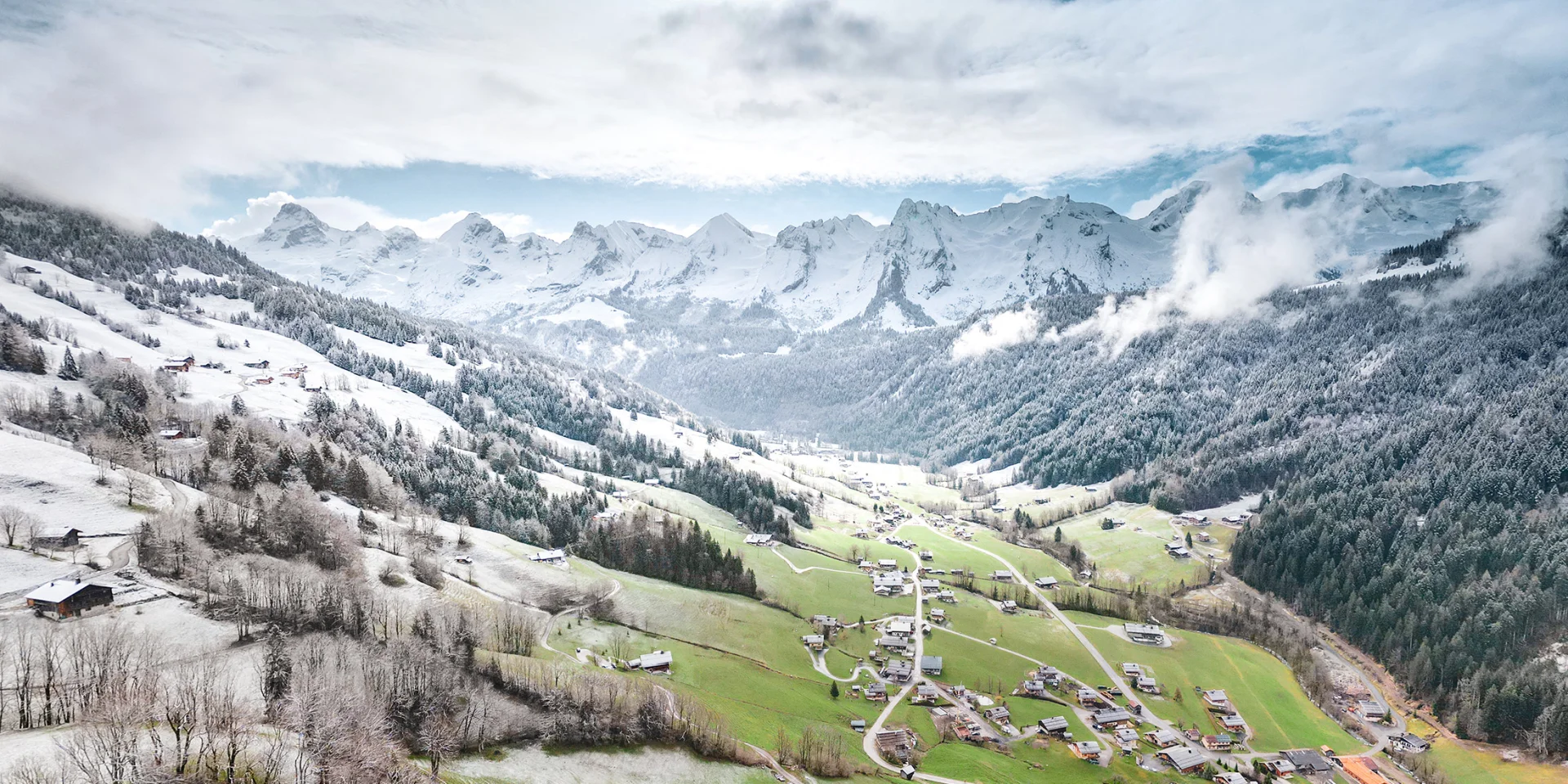
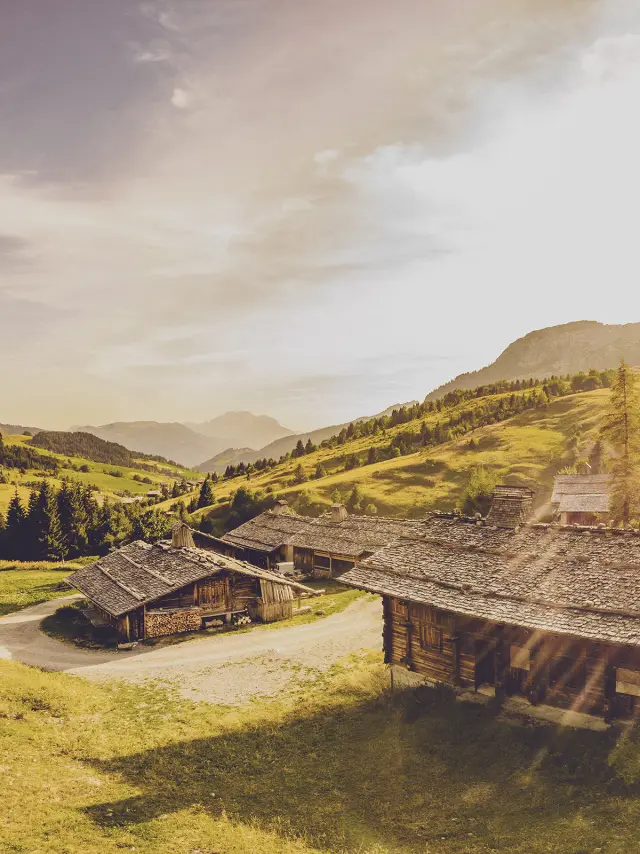
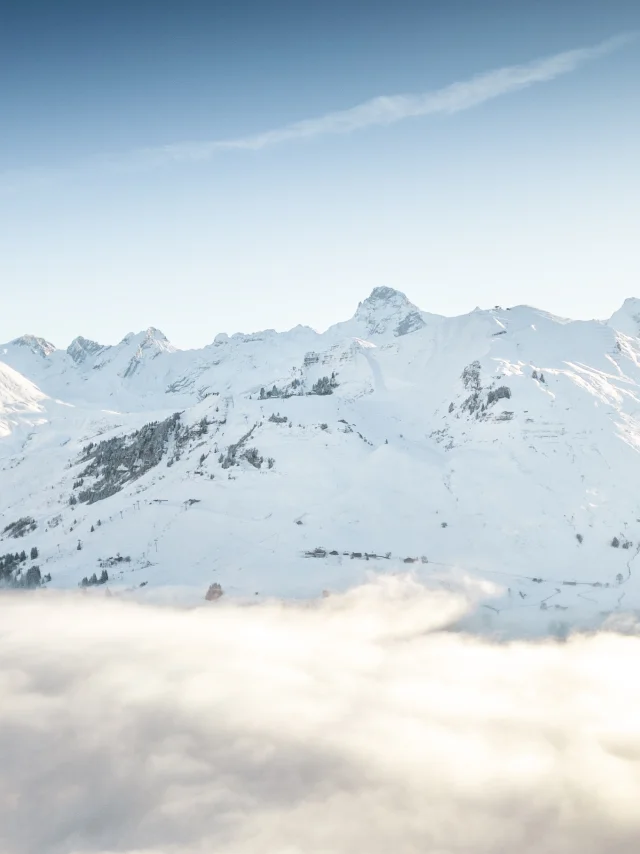
At once iconic, beautiful, fascinating and alluring, the Aravis range offers an exceptional panorama in every season, among the most beautiful and spectacular in the French Alps, all within easy reach of the village!

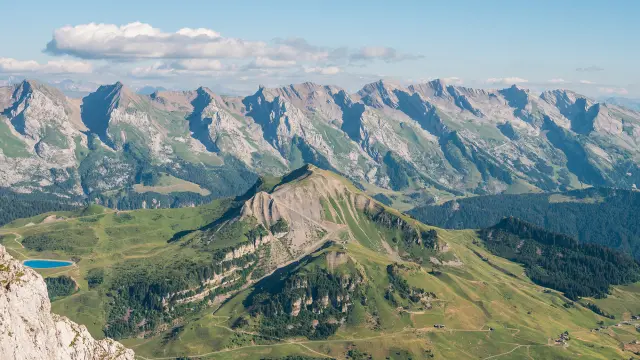
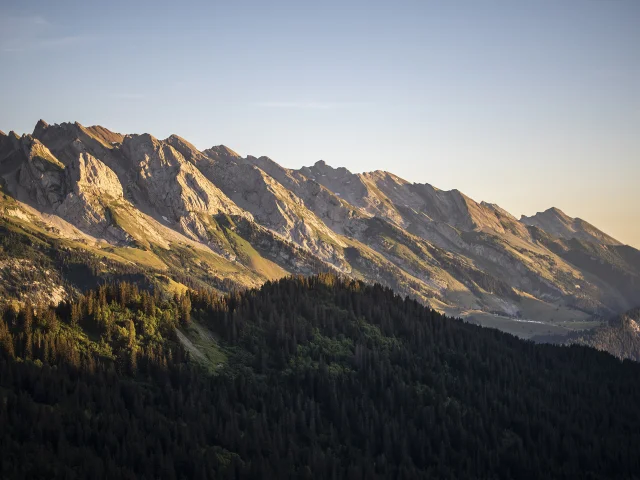
It is the quintessential postcard view, and one never tires of admiring this juxtaposition of valleys, sculpted by erosion, each one different yet astonishingly uniform.

Lapiaz? Grooves?

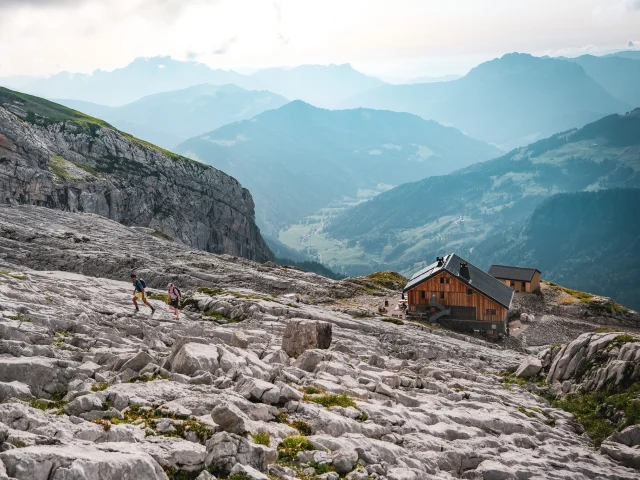
Lapiaz is a surface geological formation found in limestone, created by rainwater runoff that dissolves the rock. These formations, which can have sharp, jagged edges, are criss-crossed by numerous channels, fissures and crevices of varying sizes, some of which can be several metres wide.

A groove is a regular furrow or striation, of varying width and depth, carved out by glacial erosion. It is a geological formation found mainly on vertical rock faces.

An alpine playground!

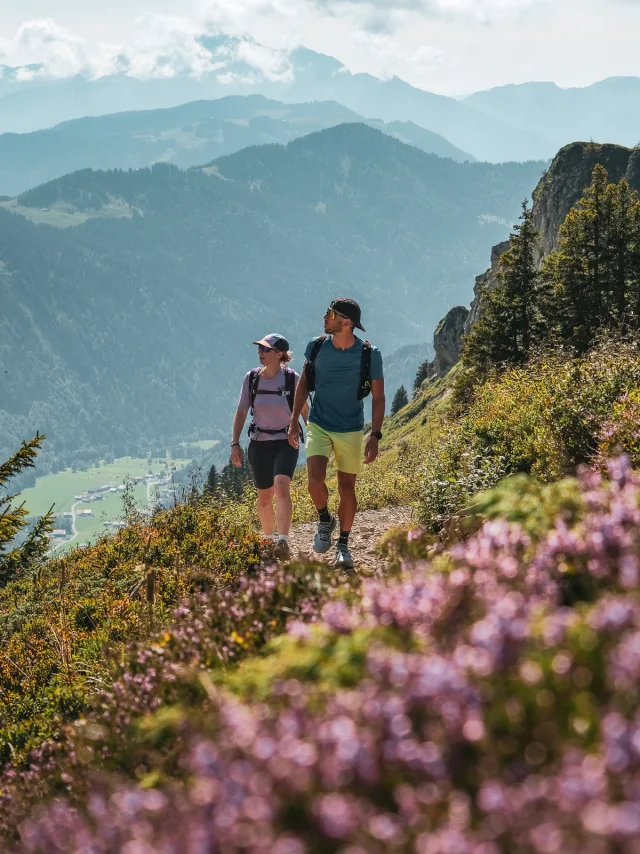
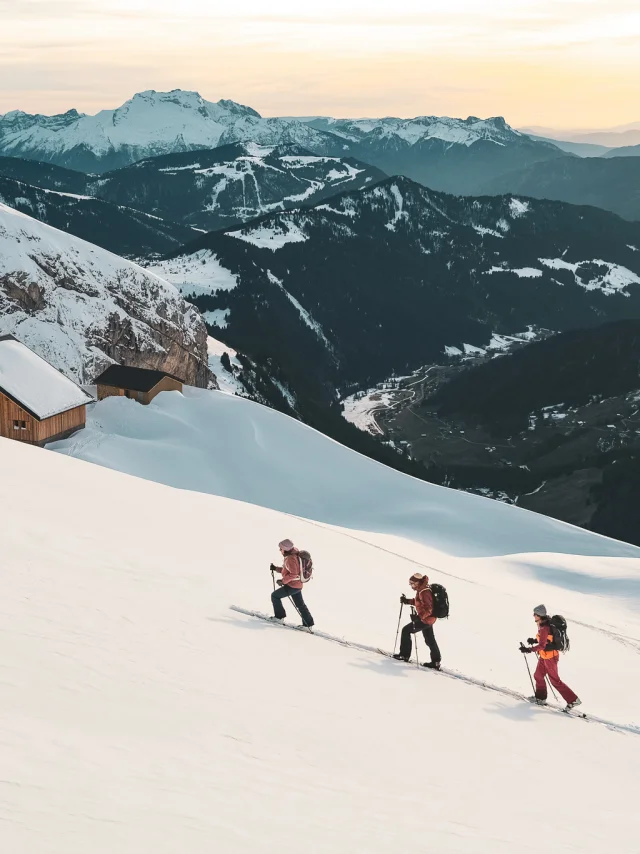
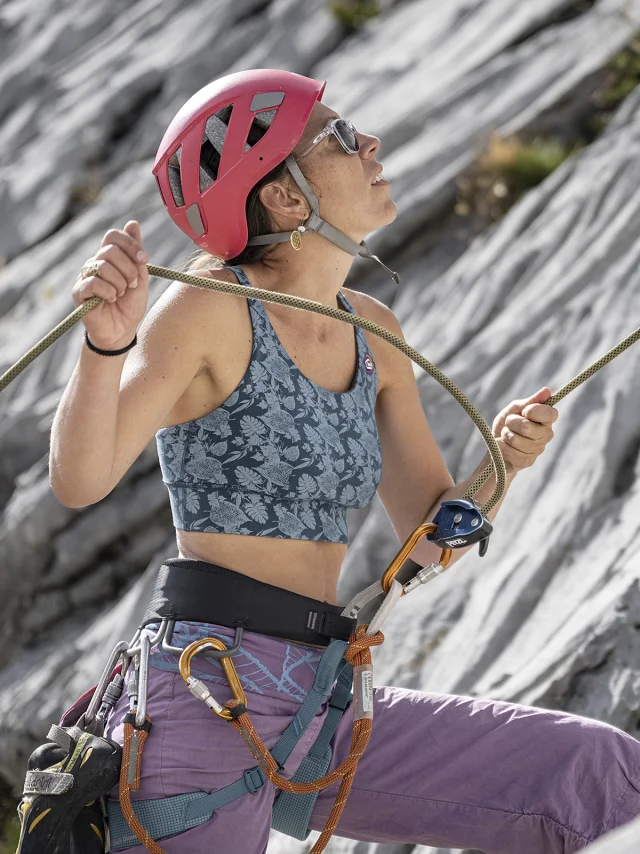
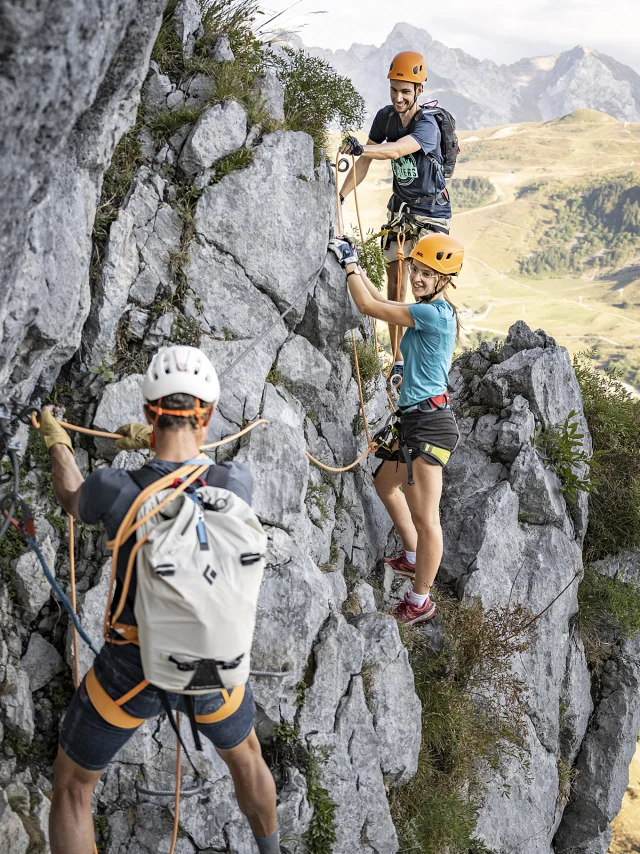
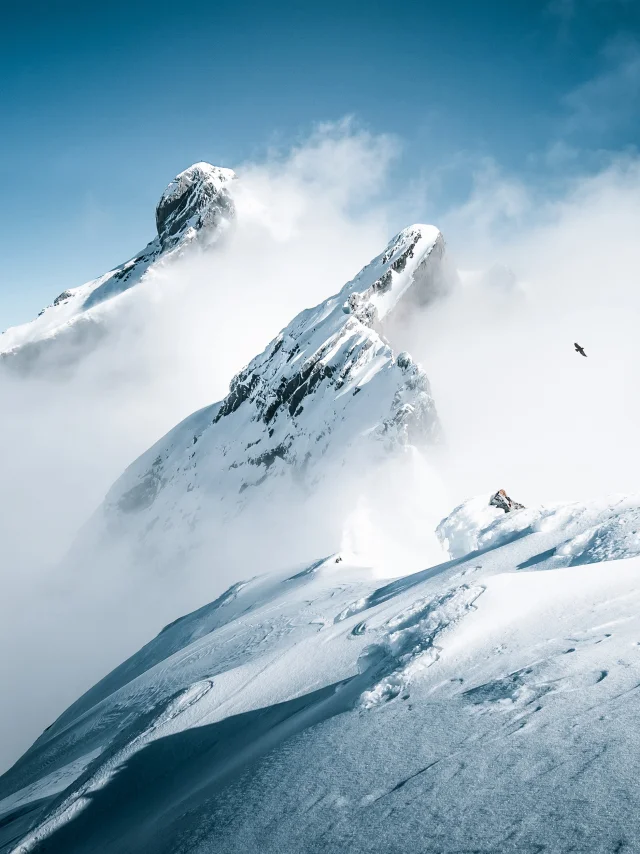
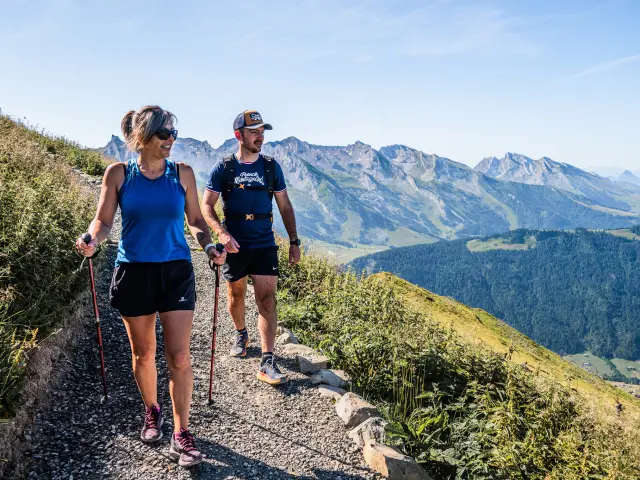
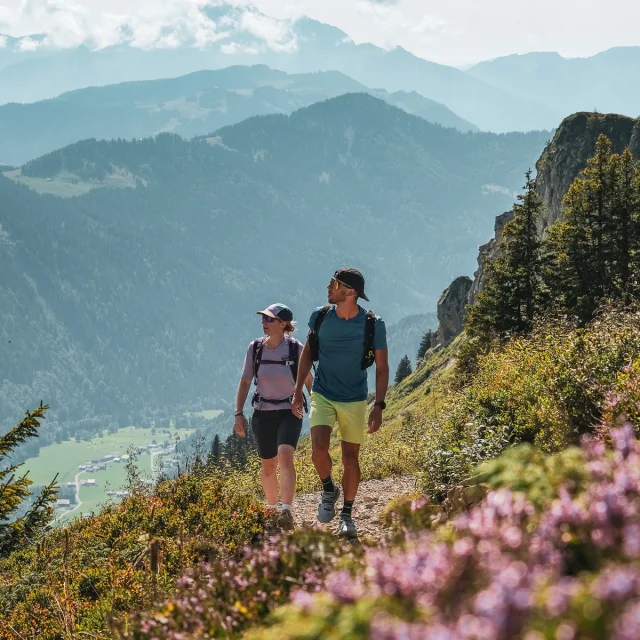
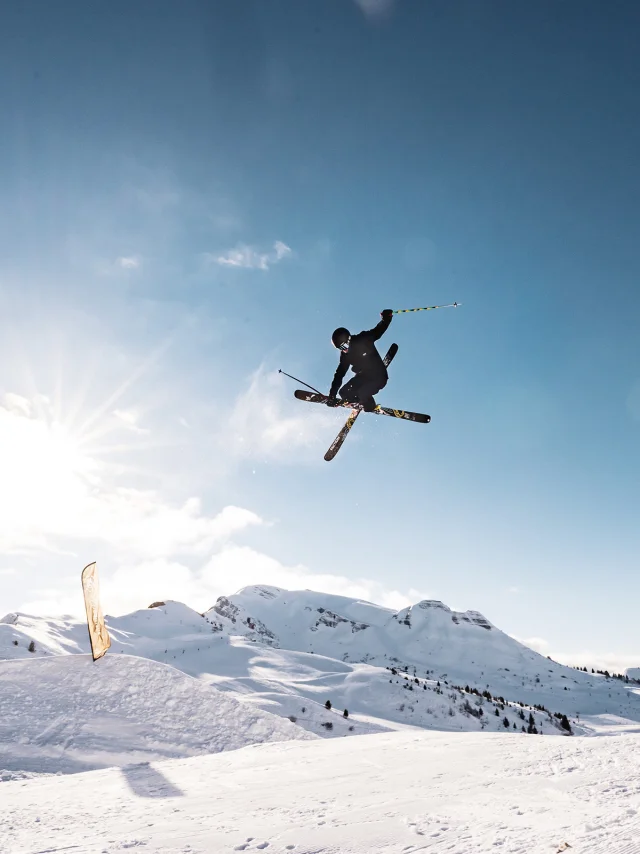
Naturally, it offers a fabulous alpine playground for everyone, whatever the season, amidst the lapiaz and other grooves carved into the rock by erosion: hiking, multi-pitch climbing, ski touring, mountaineering…

In summer and winter alike, every valley has its own route and summit from which you can admire a unique panorama of Mont Blanc and its massif. Enjoy walks with family or friends, perhaps with a picnic break by Lake Tardevant.

What you need to know

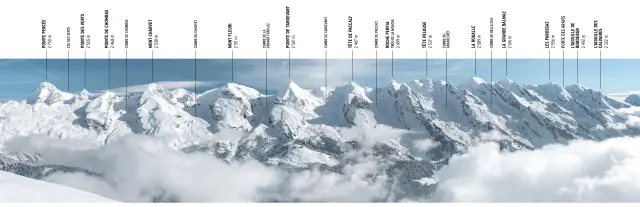
  • Pointe Percée really is pierced! There is indeed a hole beneath its north/north-east ridge. A climbing route, the “Voie du trou”, even allows you to cross through it.
  • Pointe Percée also has its “finger”, a rocky outcrop on this same ridge, also known as the “Arête du doigt”, a beautiful climb leading to the summit.
  • Another natural curiosity to discover in both summer and winter is the “Trou de la Mouche”! A very picturesque passage under a rock arch that connects the Combe de Grand Crêt to the Combe de Paccaly.
  • The Aravis range also hides small secret passages for venturing onto its south-eastern slope, notably the “Porte des Aravis” at the top of the Combe de la Creuse, the “Passage du Père” at the top of the Paccaly valley, and the “Passage de la Grande Forclaz” at the top of the valley of the same name.
  • This same Combe de la Grande Forclaz is also the narrowest valley in the range.
  • On 10 March 1817, a major avalanche originating from the Combe de Tardevant swept numerous conifers along its path down into the valley. The trees were sawn into planks in the spring, and this is how the trade in planks and timber began.
  • In 1848, the newspaper L’Echo du Mont-Blanc reported on the ascent of the Pointe Percée by a religious group led by Canon Pasquier.
  • In 1903, Genecand and Cevey made the first ascent of the Pointe Percée.
  • Two mountain huts welcome you at the foot of the valleys and summits:
    • Refuge de la Bombardellaz at the foot of the Tardevant valley
    • Refuge de la Pointe Percée (Gramusset) at the foot of Pointe Percée
  • As soon as you can, all that remains is for you to take the plunge and explore this magnificent Aravis range at your own pace and according to your own wishes!

Why do we recommend it? 

 Stunning views

A unique view of Mont Blanc and the surrounding massif.

 Alpine playground

Hiking, multi-pitch climbing, ski touring, mountaineering,…

 Fauna and flora

Ibex, chamois, bearded vulture, black grouse, wild orchids, edelweiss,…

Do you like this content? Share it!

More experiences in Le Grand-Bornand