©

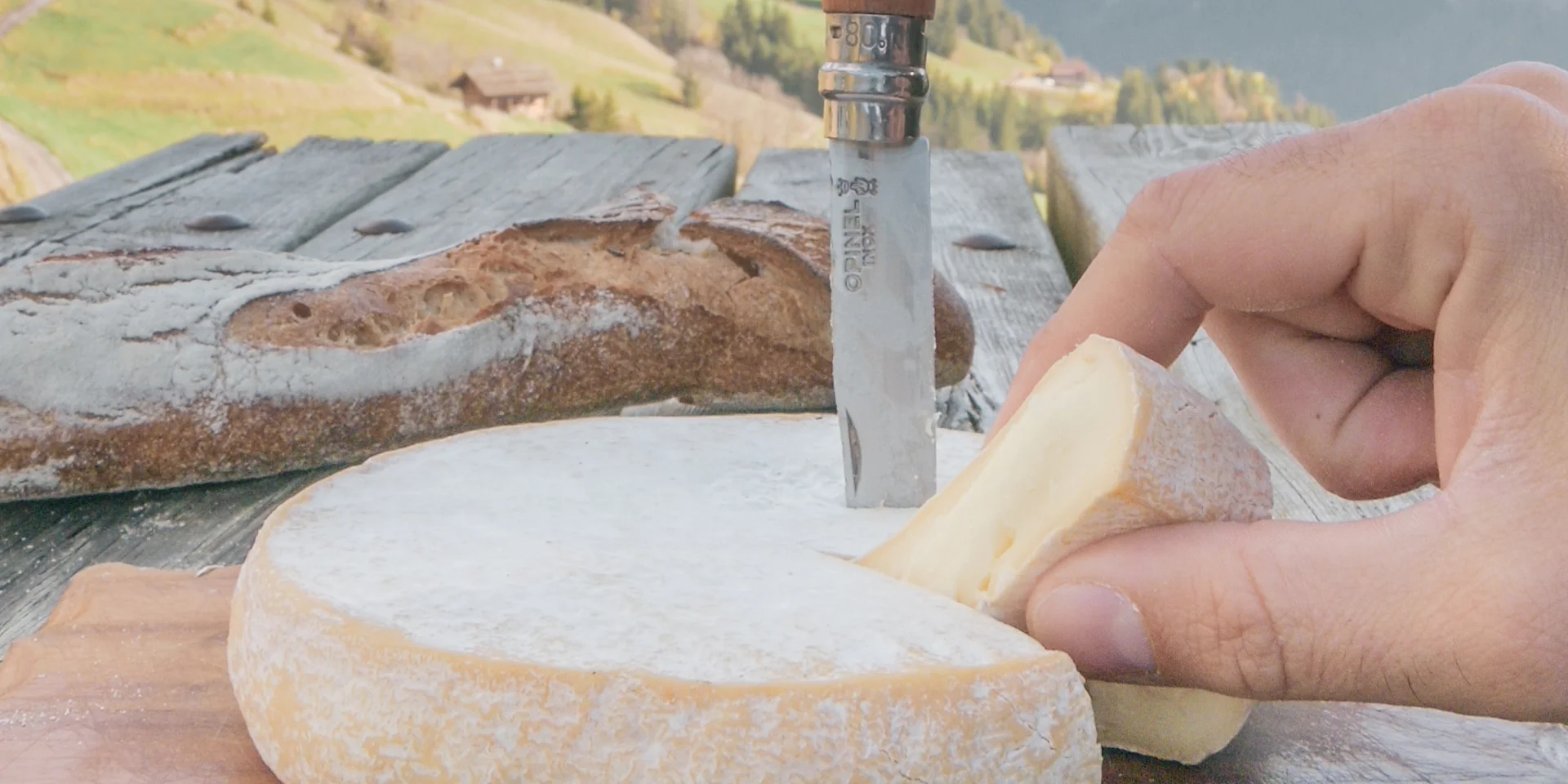
Reblochon J.cathala Ot Le Grand Bornand

|

© J. Cathala

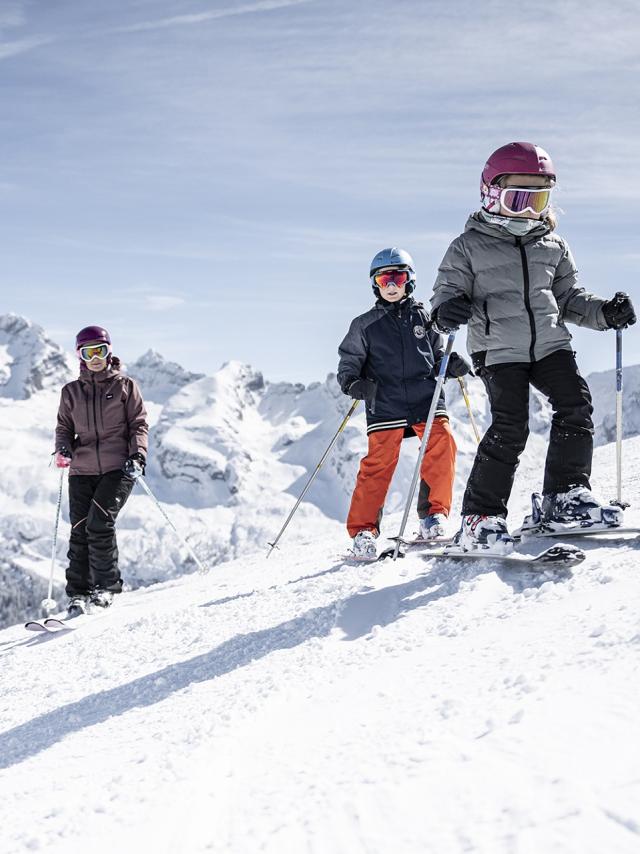
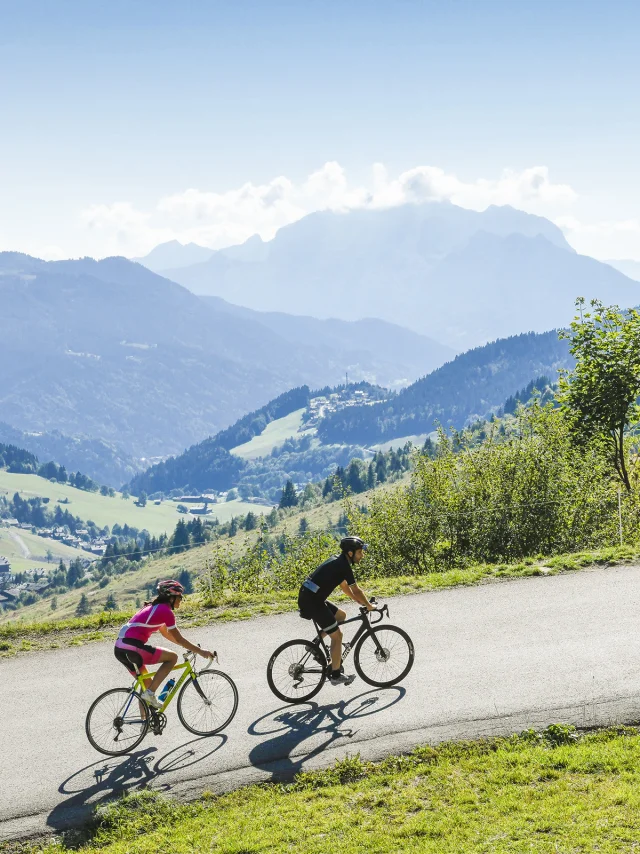
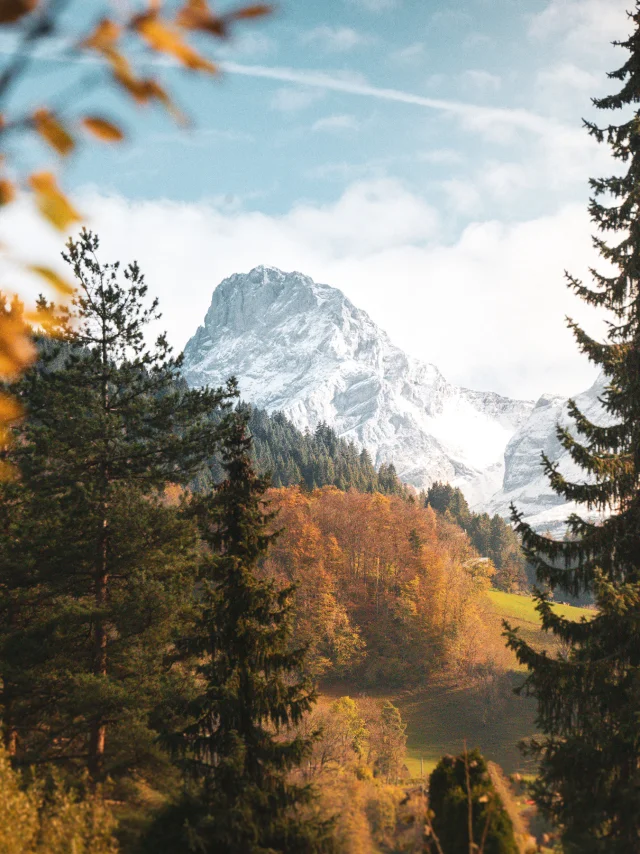
Live the experience Reblochon through the four seasons

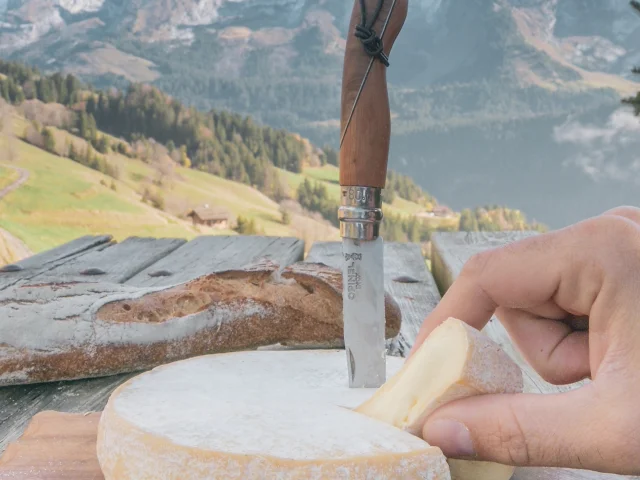
Reblochon from Savoie: much more than just a cheese…

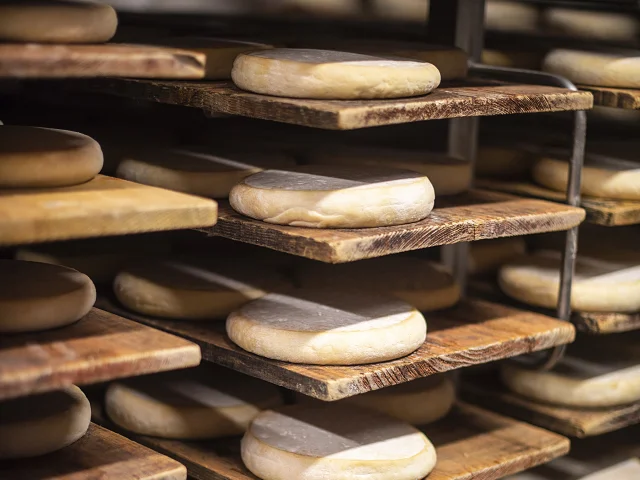
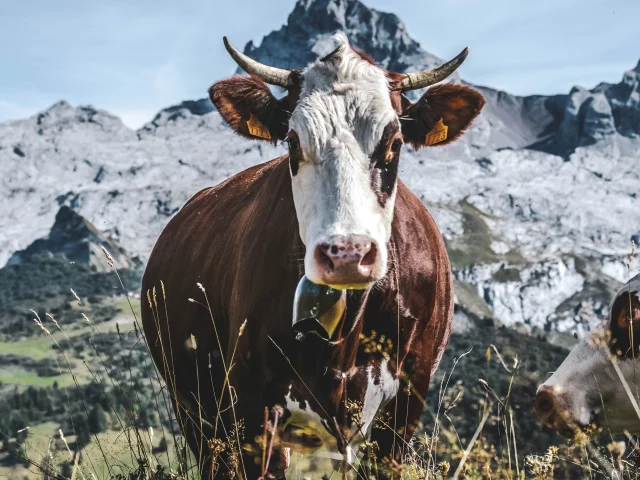
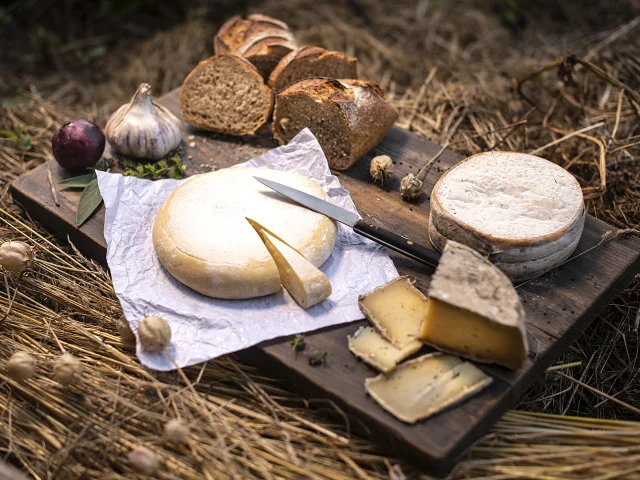
As the leading agricultural commune in Haute-Savoie, Le Grand-Bornand is the birthplace of farmhouse Reblochon. Since its arrival in the 13th century, Reblochon has been a favourite with gourmets and lovers of good food… and with good reason: farmhouse Reblochon and its green casein disc – which distinguishes it from the dairy Reblochon produced in cooperatives, which features a red disc – strives to preserve, whilst adapting to modern constraints, the traditional expertise that guarantees its inimitable taste: it is produced twice a day at the very site where the cows are milked, using milk from a single herd—comprising mainly Abondance cows—and the animals are fed exclusively on grass in summer and hay in winter. All these factors guarantee the quality of this cream cheese, perfect for serving… on a cheese board!
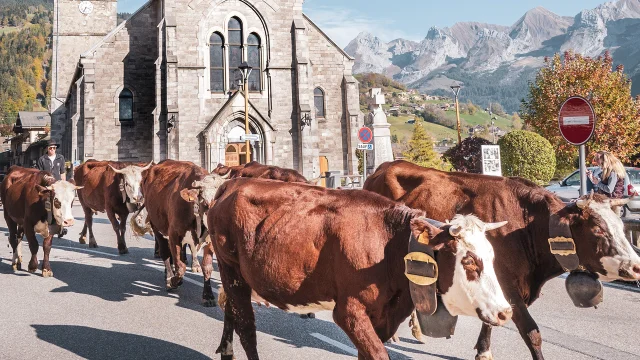
Le Grand-Bornand is home to 2,000 cows for just over 2,000 residents, and accounts for more than a third of the annual production of farmhouse Reblochon within the AOP zone… all year round.

Dairy Reblochon and farmhouse Reblochon

The dairyman:

  • The cheese is made once a day
  • the milk used is collected from several farms
  • production may be mechanised
  • the cheese is made in a cooperative or cheese dairy within 24 hours of milking
  • Reblochon contains a red casein tablet

The farmer:

  • The cheese is made twice a day, immediately after milking
  • The milk used comes from a single herd, each farmer’s own herd
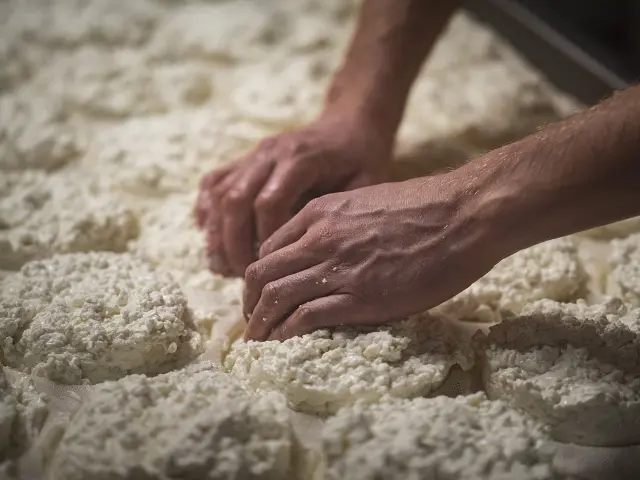
  • Production is entirely manual
  • The cheese is made on the farm immediately after milking
  • Reblochon features a green casein disc and a ‘Reblochon fermier’ logo on its packaging

key facts

  • a Protected Designation of Origin (PDO) since 1958
  • only three breeds of cow are authorised for the production of Reblochon milk: Abondance, Montbéliarde and Tarine. Their diet consists mainly of grass and hay (sourced from the appellation area and supplemented with GMO-free cereals).
  • In winter, the farmers and cows stay at the foot of the mountains in the ‘lower farm’, and in spring they move up to the ‘upper farm’ in the mountain pastures for four to five months.
  • Around 4 litres of milk are needed to make one cheese weighing between 450 and 550g.
  • The milk comes from the cow at 35°C and is turned into cheese immediately after milking, before it has even had time to cool.
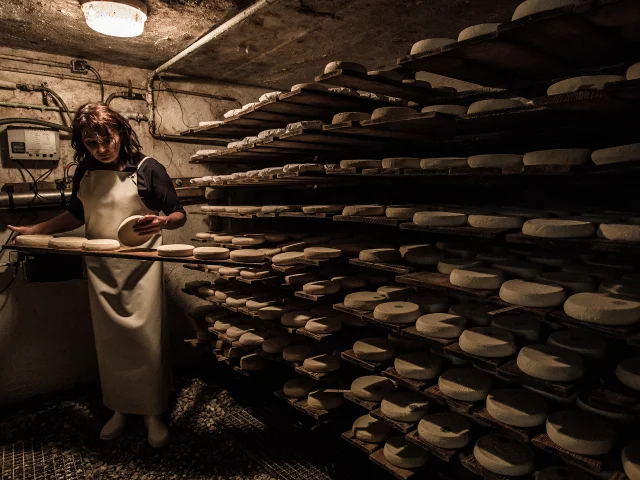
  • From milking through to ripening, eight stages are required to make it.
  • Reblochon contains only 27% fat!

Our recipes featuring Reblochon de Savoie

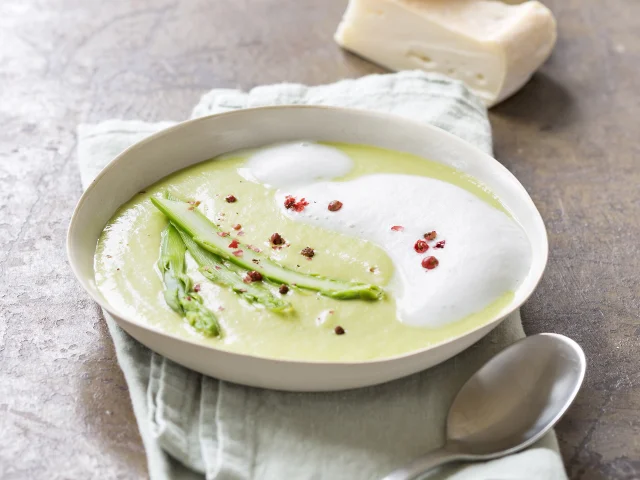
Reblochon de Savoie enhances a wide variety of dishes, whether raw or cooked, sweet or savoury. It can be enjoyed in both summer and winter, and its distinctive flavour complements raw vegetables, gingerbread or a creamy asparagus soup just as well. This typical Alpine cheese can be enjoyed all year round:

  • In winter in a reblochonnade, a tartiflette, a risotto, a macaroni gratin or a burger.
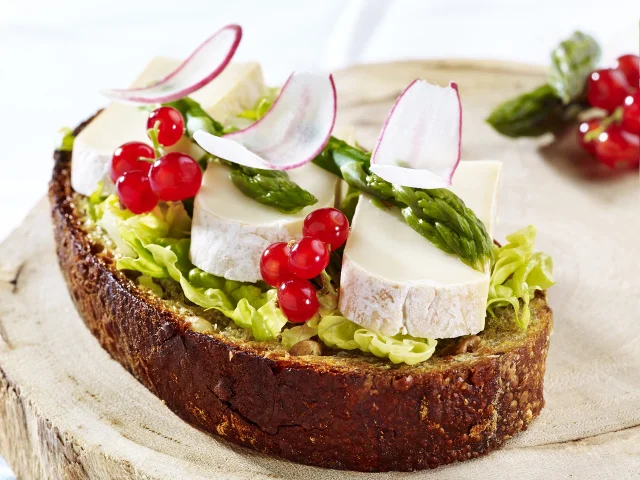
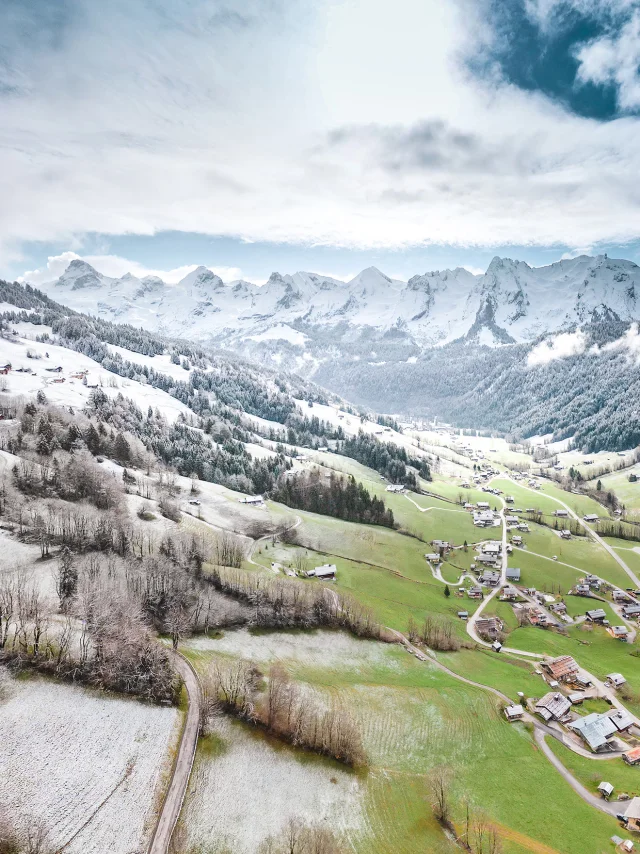
  • In spring, in stuffed courgettes, fresh open sandwiches, a spring salad, maki rolls or coleslaw.
  • In summer, in appetiser platters and verrines, a Reblochon mousse or a sun-ripened vegetable escabèche.
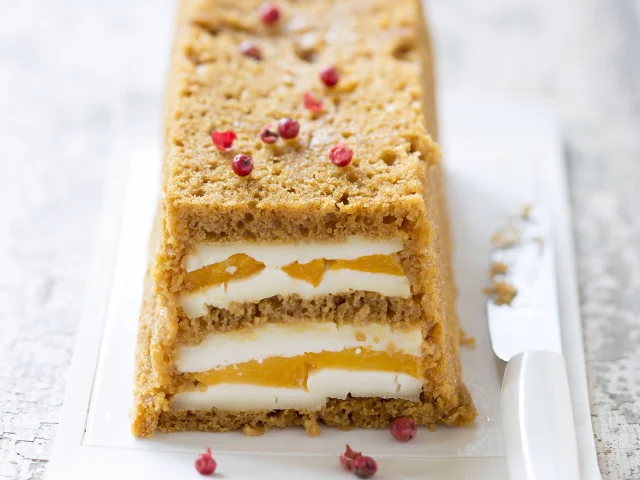
  • In autumn, in a pizza with melted Reblochon, a sweet potato tart, a kale stir-fry or stuffed aubergines.

Spring 

Fresh open sandwiches with Savoie Reblochon

Summer 

Reblochon and green apple skewers with rocket sauce

Autumn 

Reblochon terrine with gingerbread

Winter 

Cream of asparagus soup with Reblochon mousse

Do you like this content? Share it!

More experiences in Le Grand-Bornand